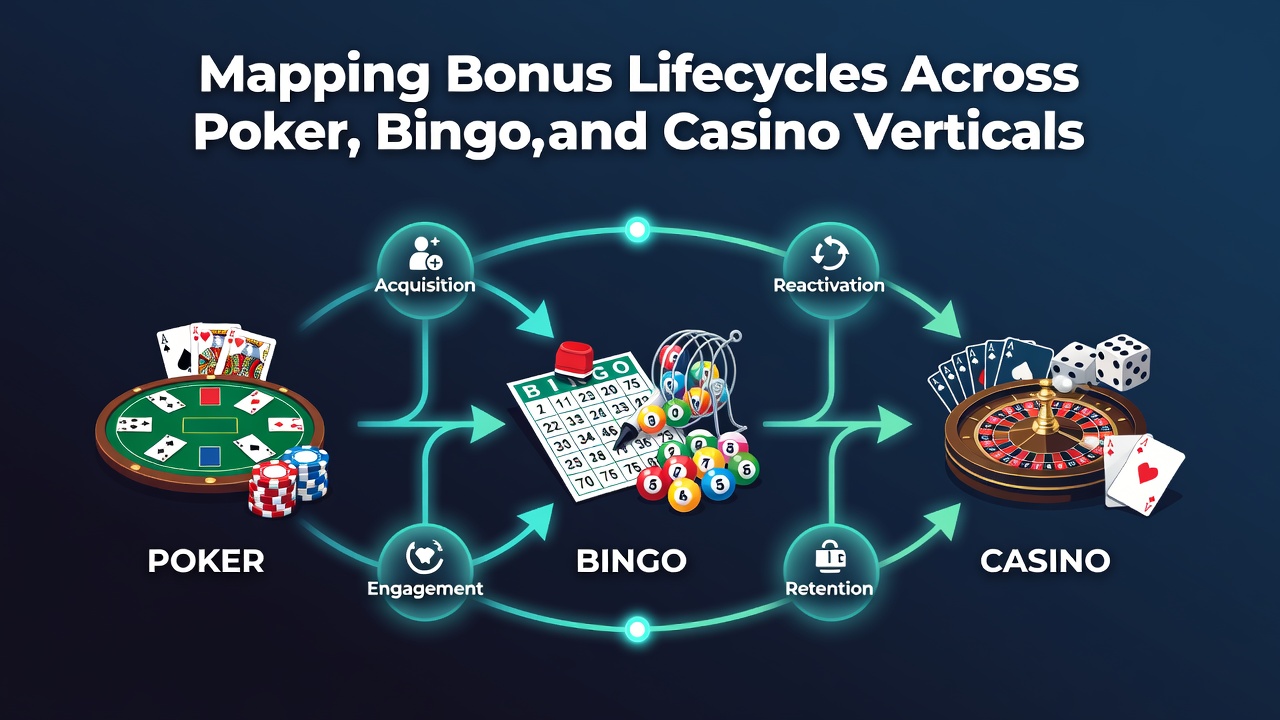
Tracking Bonus Progression Stages Across Poker, Bingo, and Casino Platforms
Bonus structures in online gambling follow distinct progression paths that vary by vertical, and operators design these paths to guide players from initial claim through completion while meeting regulatory standards in multiple jurisdictions. Data from industry reports indicate that players encounter acquisition, activation, wagering, and expiration phases in sequence, yet the details shift depending on whether the game falls under poker, bingo, or casino categories.
Initial Acquisition and Claim Process
Operators release bonus offers through registration pages, email campaigns, and loyalty programs, and players must complete specific actions such as account verification or minimum deposits before the offer activates. In poker rooms, sign-up bonuses often tie to rake contributions over time, whereas bingo sites link welcome packages to ticket purchases in themed rooms, and casino platforms attach deposit matches to slots or table game play. Those who have examined player behavior patterns note that acquisition rates climb when operators simplify claim steps, although each vertical enforces its own eligibility rules based on local licensing requirements.
Activation Through Wagering Requirements
Once claimed, bonuses enter an activation window that requires players to meet playthrough thresholds before any winnings become withdrawable. Poker bonuses typically convert after a player generates a set amount of rake, which measures the house fee collected from pots, while bingo bonuses convert through ticket volume played across multiple sessions. Casino bonuses, by contrast, apply multipliers to slot spins or table game bets, and the conversion speed depends on game contribution percentages listed in terms and conditions. Observers note that activation timelines stretch longer in poker because rake accumulates gradually across hands, whereas bingo and casino formats allow faster accumulation through continuous rounds.
Vertical-Specific Lifecycle Differences
Poker bonus lifecycles emphasize sustained engagement over multiple sessions because players must build rake points before the bonus balance converts to cash. Bingo platforms structure their cycles around session-based play, where players purchase tickets in scheduled games and the bonus applies directly to those purchases until the wagering target clears. Casino verticals feature the widest range of contribution rates, with slots often counting at 100 percent toward requirements and table games counting at lower percentages, which affects how quickly a bonus moves through its lifecycle. Research from academic sources on gambling mechanics shows these differences arise from the distinct risk and reward structures inherent to each game type.
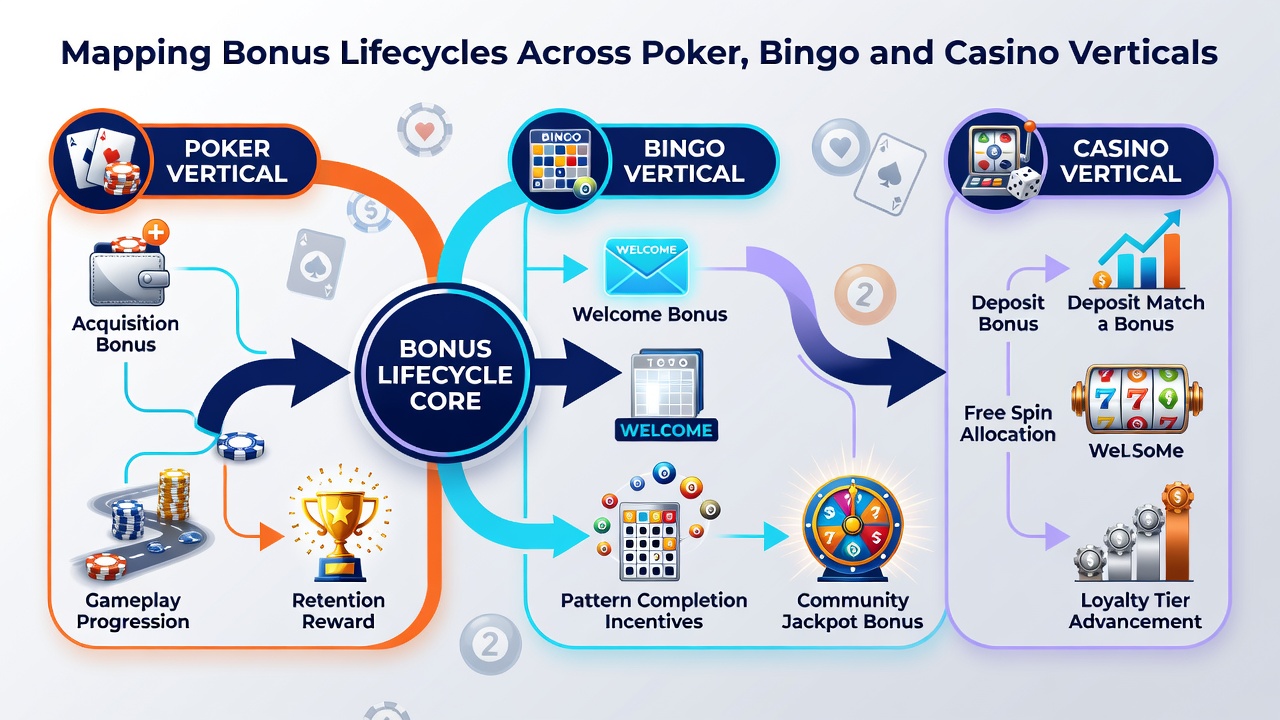
Expiration dates mark another key stage, and most offers carry validity periods ranging from seven to thirty days after activation. In October 2026, regulatory updates in several markets required clearer disclosure of these timelines on operator sites, which reduced player complaints related to forfeited bonuses. Poker bonuses may extend expiration to accommodate slower rake accumulation, bingo offers align with game schedules that recur daily or weekly, and casino bonuses often reset on a rolling basis tied to deposit dates.
Cashout and Completion Phase
After meeting all wagering conditions, remaining bonus funds and associated winnings transfer to the player's cash balance, subject to any maximum win caps or minimum withdrawal thresholds set by the operator. Cashout processes differ across verticals because poker platforms may hold funds until tournament results finalize, bingo sites release winnings immediately after the game concludes, and casino platforms apply additional verification steps when large sums accumulate from progressive jackpots. Figures from industry associations reveal that successful cashout rates increase when operators provide transparent progress trackers during the wagering phase.
One study revealed that players who track bonus progress through dedicated dashboards complete lifecycles at higher rates than those without such tools. Government data from the Alcohol and Gaming Commission of Ontario indicates that standardized reporting on bonus conversion helps maintain compliance across licensed platforms. Another source, the American Gaming Association, publishes annual summaries showing how vertical-specific rules influence player retention metrics over time.
Conclusion
Bonus lifecycles in poker, bingo, and casino verticals share core stages yet diverge in timing, contribution mechanics, and expiration rules shaped by game design and regulatory frameworks. Players navigate these paths most effectively when they review terms before claiming offers, and operators continue to refine tracking systems to support compliance and transparency. As markets evolve, data collection on lifecycle completion remains central to understanding engagement patterns across all three sectors.